The Story
Why it exists.
The beginning
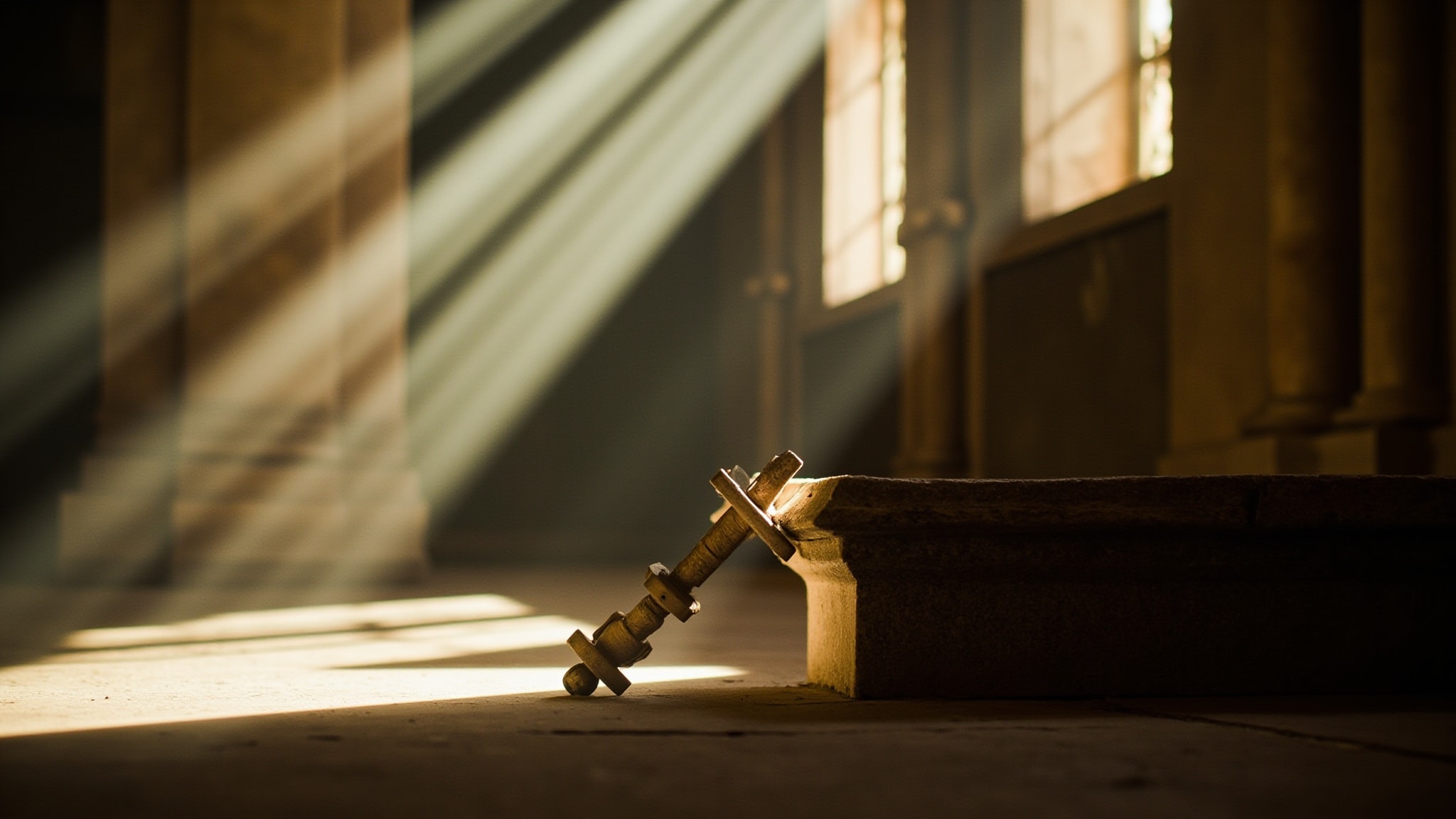
Comme des Garçons Series 3 Incense: Avignon is part of a collection exploring sacred spaces and spiritual traditions. Each scent represents a major religious center, Avignon for Catholicism, where the Papacy resided in the 14th century, alongside Kyoto for Buddhism and Shintoism, Zagorsk for Russian Orthodoxy, Jaisalmer for Hinduism, and Ouarzazate for Islam. The series translates the sensory memory of ritual spaces into fragrance, capturing what a cathedral smells like after hundreds of years of accumulated frankincense and myrrh. Not the perfume you'd wear to services. The sacred space itself, made wearable.
Bertrand Duchaufour didn't reach for subtlety. The top opens with the kind of sharp, aldehydic clarity that could read clinical on paper, Roman chamomile and elemi resin, but in execution they serve a different purpose: lifting the heaviness, creating negative space above the smoke so it can breathe and settle properly. The vanilla in the base isn't sweetness for its own sake. It's the architectural move that keeps the cathedral from collapsing inward. Warmth as support structure.
The evolution
Aldehydes open the composition, bright and solvent-sharp, almost astringent. Chamomile arrives herbal and grassy beneath that clean edge, adding a vegetal counterpoint to the chemical gleam. As the elemi begins to resin, the brightness shifts almost savory, taking on a warm, slightly turpentine edge that lifts the sharper elements. The heart opens wide: frankincense and myrrh together, smoky and sacred, with French labdanum adding a wild, leathery balsamic depth that gives the smoke texture you can almost touch. The aldehydes dissolve entirely. The middle section sits dense and solemn, the longest phase of the wearing experience, a smoky balsamic presence that lingers with quiet persistence. Cedarwood and Brazilian rosewood enter the drydown quietly, bringing structure rather than novelty. Patchouli earths everything.
Cultural impact
Avignon occupies a singular position in the niche incense conversation. Its deliberately heavy, liturgical character sets it apart from cleaner, more meditative incense interpretations. Wearers who describe it well tend to use the same image: incense that lived in the walls. Its following among those who search for serious, non-gourmand incense has remained steady since its release, drawing devotees who appreciate its structural commitment and its refusal to soften or sweeten its sacred smoke.